Events and statistics in South Australian history 1834-1857 – an overview of this period from early European settlement of the Colony to the commencement of responsible Government (from the Pioneers SA website: South Australia – Early History
1834
South Australian Colonisation Act (4 & 5 William IV. Cap 95) assented to – 15 August.
South Australia Act, or Foundation Act, of 1834 (UK): Documenting Democracy
1835
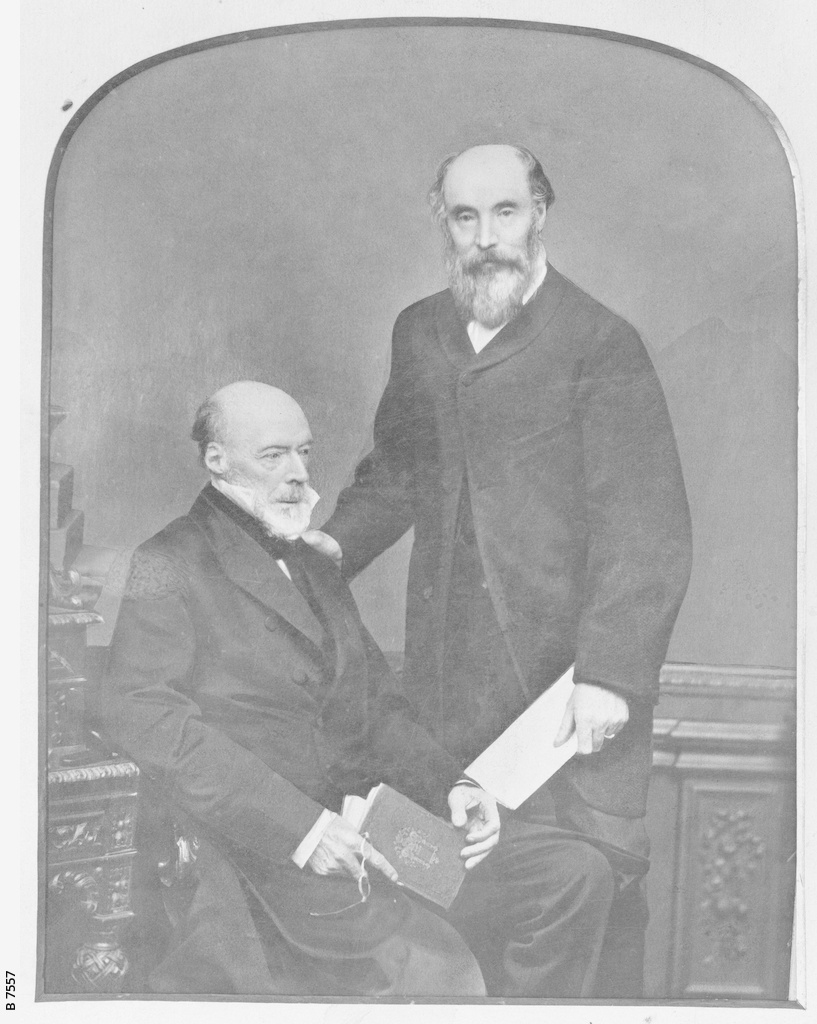
Board of eleven commissioners appointed to control land sales and revenue, and also the flow of emigrants to South Australia.
South Australian Commission Land Sale Regulations 1835: Documenting Democracy
Col. Robert Torrens, Chairman and Rowland Hill, Secretary.
1836
South Australian Company registered – 22 January
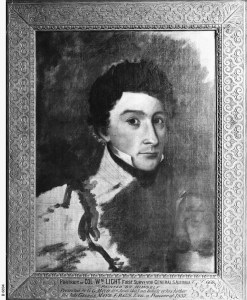
Colonel William Light gazetted Surveyor-General – 4 February
Colonel William Light – History Hub
Colonel William Light – History Hub
Biography – William Light – Australian Dictionary of Biography
Letters Patent, enabling the South Australian Act establishing the province of SA, presented to King William IV for approval – 19 February
Letters Patent: Documenting Democracy
Captain John Hindmarsh RN received his commission as Governor and Commander-in-Chief of the province of South Australia – 14 July
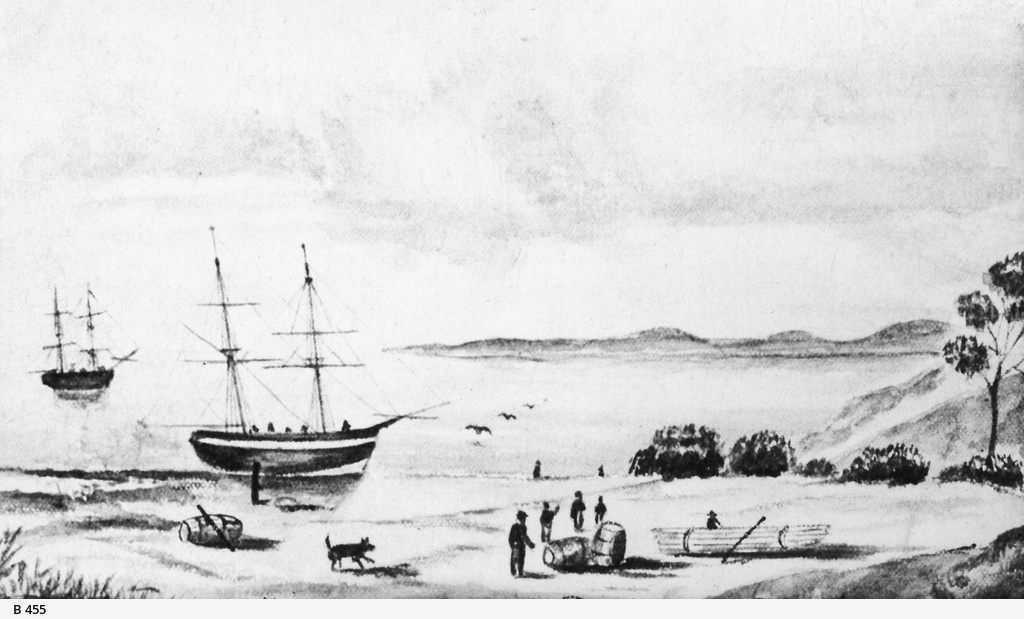
Ship Duke of York arrives at Nepean Bay, Kangaroo Island; the first of the expedition ships to arrive in SA – 27 July
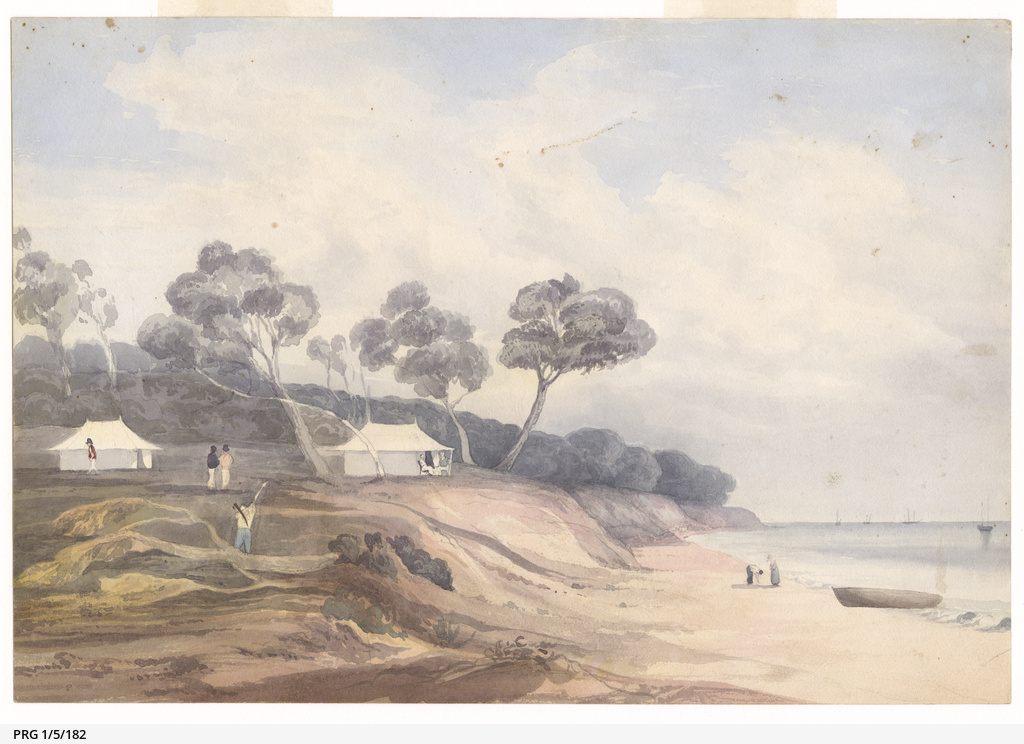
Kingscote, the first official settlement in South Australia, was established on Kangaroo Island – 28 July
Ship Lady Mary Pelham arrives Nepean Bay – 30 July
Ship John Pirie arrives Nepean Bay – 16 August
Ship Rapid arrives Nepean Bay with the Surveyor-General, Colonel William Light on board – 18 August
Colonel Light starts examining Kangaroo Island and charts Nepean Bay – 20 August
First marriage in the province (Mary Ann Powell & William Staple) celebrated at Kingscote – 29 August
Colonel Light takes the Rapid across to Rapid Bay and establishes the second settlement in SA – 8 September.
Ship Cygnet arrives Nepean Bay – 11 September
Colonel Light’s party moves overland from Rapid Bay and reaches Yankalilla – 17 September
Colonel Light sails north to find the harbour located by an 1834 expedition from Tasmania – 22 September
Ship Emma arrives Nepean Bay – 5 October
The third settlement in the new colony was established at Holdfast Bay (Glenelg) – 23 October
Ship Africaine arrives Nepean Bay – 4 November
Ship Tam O’Shanter arrives Nepean Bay – 20 November
Colonel Light locates the harbour inlet (Port River) – 22 November
First ‘school’ in the province is opened under the shade of a large tree at Kingscote, Kangaroo Island – 5 December
Ship Buffalo arrives at Port Lincoln with Captain John Hindmarsh RN on board – 24 December
The Buffalo arrives Holdfast Bay (Glenelg). Captain Hindmarsh RN sworn in as the first Governor of SA and the establishment of government in SA is proclaimed – 28 December
Governor Hindmarsh, Colonel Light and James Hurtle Fisher (Resident Commissioner) visit the site chosen by Light for the new town of Adelaide – 30 December
Governor John Hindmarsh – History Hub
James Hurtle Fisher – History Hub
Foundation of the City of Adelaide – 31 December
Estimated European population of the new province of South Australia, including Kangaroo Island & Rapid Bay, is 546 – 31 December
1837
Col. Light started surveying the site of Adelaide into 1042 acre allotments, called Town Acres, on either side of River Torrens – 11 January
Survey of Town Acres completed – 10 March
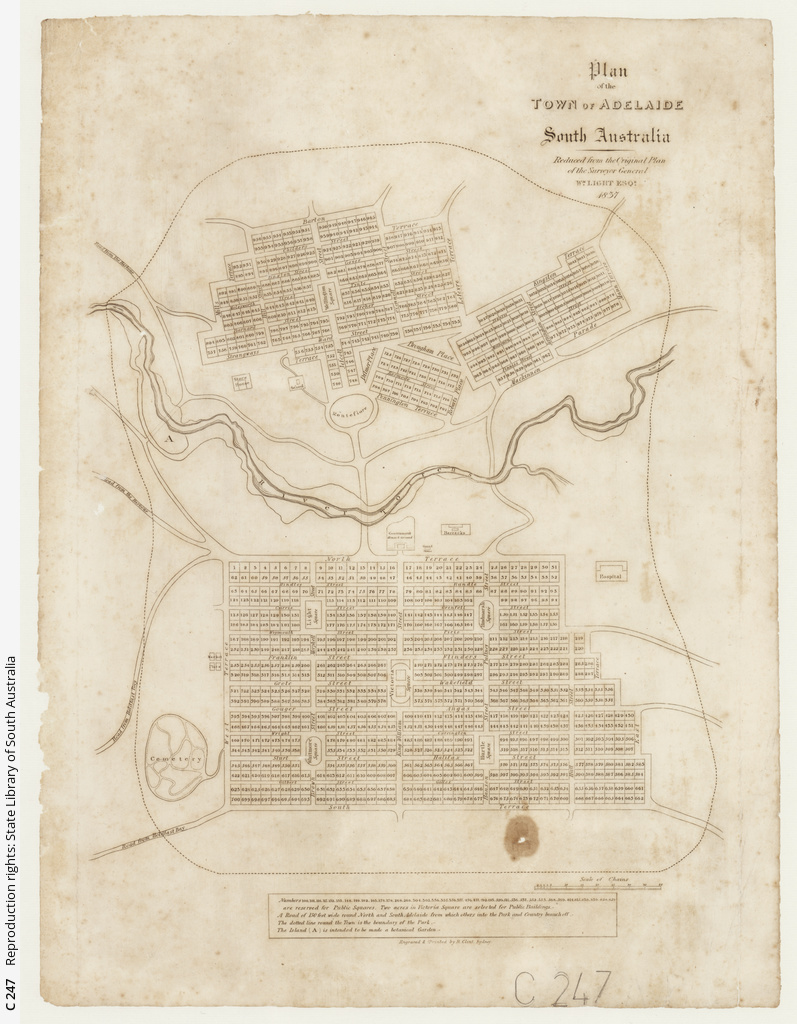
First allotment of land for preliminary land orders – 27 March
Who were the original purchasers of the town acres? The following site will provide information: 1837 Adelaide Plan with Original Purchasers of Acres
Naming of streets and squares on Light’s plan commenced – 23 May
The first newspaper (Gazette and Register) printed – 3 June
Supreme Court of South Australia established
Public hospital on North Terrace opened.
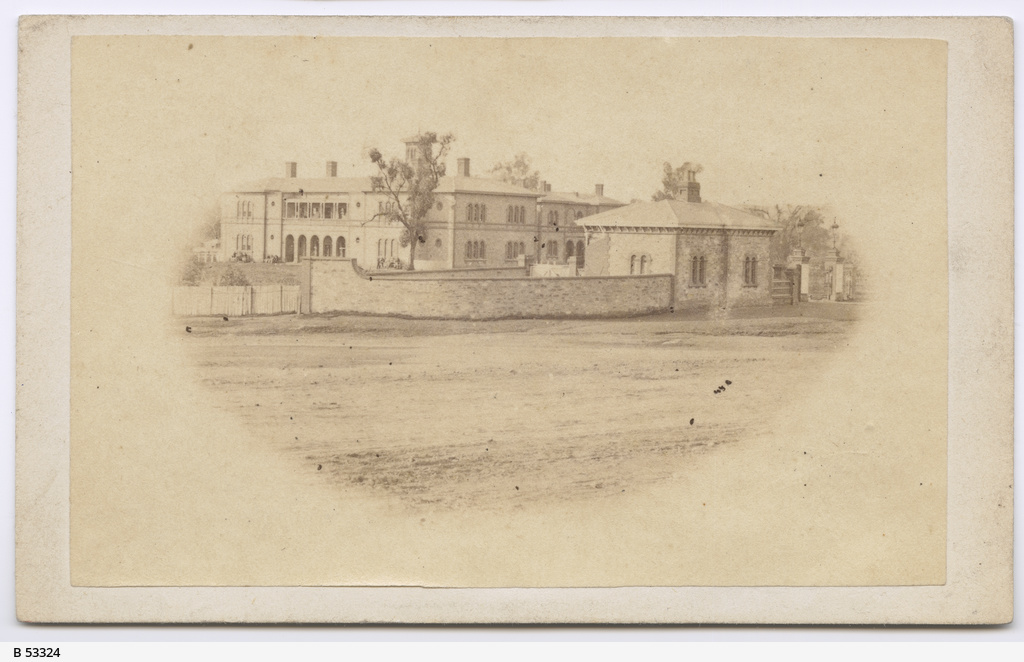
First Congregational service conducted in Adelaide by Rev. T.Q. Stow – 19 December
Public expenditure was £5,283
Ships wrecked were ‘Sir Charles McCarthy’ (near Holdfast Bay) and ‘South Australian’ (Rosetta Harbour).
Learn more about Shipwrecks in South Australia. heritage-maritime-south-australian-fact-sheet.pdf
1838
First execution took place – Michael Magee for an attempt on the life of the sheriff, J. Smart – 2 May
First ballot for country sections of land held – May
First wool export of 4 bales to England in the ‘Orator’ – 21 May
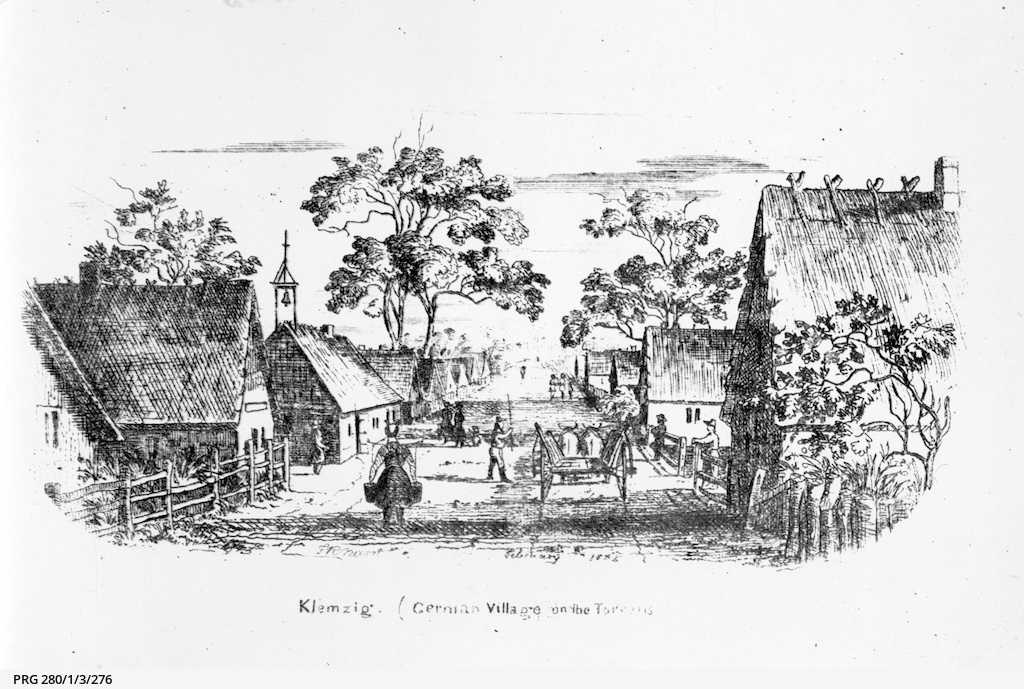
German settlers, led by Pastor Kavel, arrive on the ‘Prince George’ and settle at Klemzig. Learn more about Pastor Kavel:
Biography – August Ludwig Christian Kavel – Australian Dictionary of Biography
First missionaries to the aborigines arrive from the Dresden Missionary Society (Teichelmann and Schurmann) – 12 October German missionaries set up school in 1839 and preserve language of disappearing culture of Adelaide’s Kaurna | Adelaide AZ
Governor Hindmarsh was recalled and second Governor, Lt-Colonel George Gawler KH arrived on the ‘Pestonjee Bomanjee’ – 17 October
Population estimated at 6,000 – 31 December
Police force formed. Police – History Hub and Milestones of South Australia Police History – South Australian Police Historical Society
Land sales for the year total 47,932 acres at £1 per acre
Cattle and sheep arrive in the colony, brought overland from New South Wales by Joseph Hawdon, Edward John Eyre and Charles Sturt
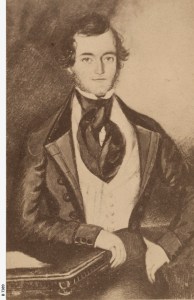
Edward John Eyre – History Hub
Captain Charles Sturt – History Hub and Captain Charles Sturt – History Hub
Total livestock approximately 480 horses, 2,500 cattle and 28,000 sheep
86 acres under cultivation including 20 acres of wheat
Imports total £158,582 and exports £6,442
3,154 migrants departed from England during the year
Recorded 83 births, 67 deaths and 75 marriages
Public revenue £1,448 and public expenditure £16,580
Ships wrecked were ‘Elizabeth’ (Rivoli Bay) and ‘Parsee’ Troubridge Shoal
1839
Branch of the Bank of Australasia established – 14 January
Fire destroyed the houses of Light and Fisher at Thebarton with losses including Light’s private journal from the previous 30 years – 22 January
Construction by the South Australian Co. of the first road in the colony linking the new site of Port Adelaide to Adelaide commenced – 25 May
Col. William Light died at Thebarton – 6 October. Colonel William Light, (1786-1839) Founder of Adelaide | History Trust
South Australian Agricultural Society established and later merged to form the Royal Agricultural & Horticultural Society of South Australia – October. Learn – The Show Museum
443 acres cultivated including 120 acres of wheat
Recorded immigration was 477 persons
Adelaide’s rainfall was 19.84” (504mm)
Public revenue £19,826 and public expenditure £96,186
1840
Edward John Eyre commenced overland journey to Western Australia Biography – Edward John Eyre – Australian Dictionary of Biography
Total debt chargeable on the revenue of the colony reaches £305,328 2s 7d – 1 May
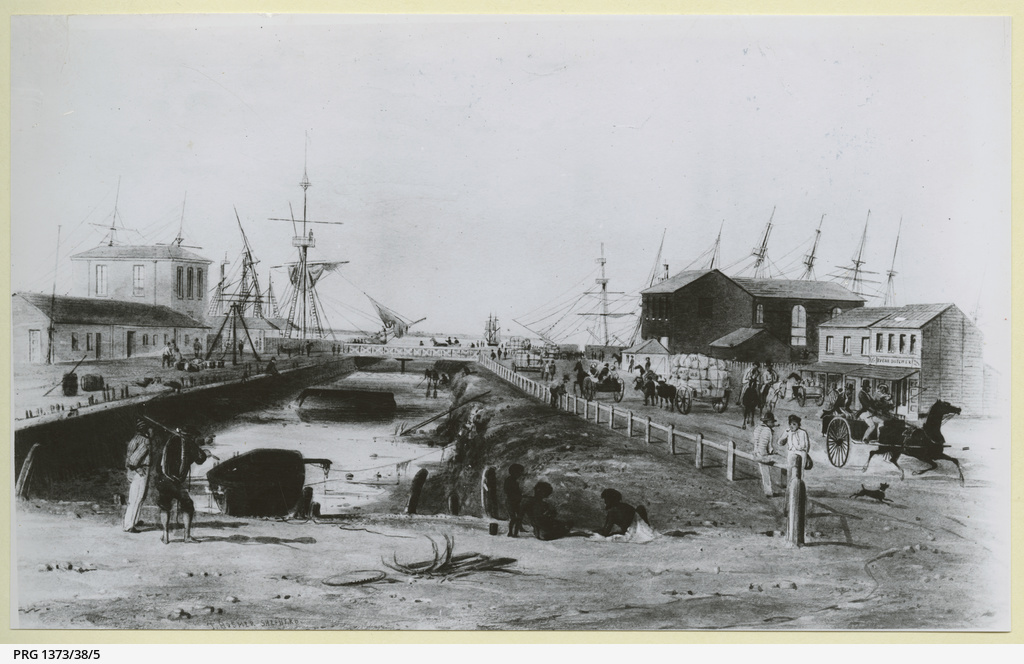
New Port Adelaide opened by Governor Gawler coinciding with the opening of the new road to the port – 14 October
Biography – George Gawler – Australian Dictionary of Biography
First wharf named McLaren Wharf for David McLaren, South Australian Company Manager
Municipality of Adelaide was incorporated being the first in Australia (the Council went bankrupt in 1843)
First Council election was held with James Hurtle Fisher elected Mayor – 31 October. Sir James Hurtle Fisher – History Hub
Settlement at Noarlunga laid out
2,503 acres cultivated including 1,059 acres of wheat
Total inwards and outwards shipping 425 with tonnage of 83,787
Population estimated at 14,600
Recorded immigration was 2,992 persons
Land sales reached 299,072 acres
Public revenue £30,618 and public expenditure £171,430
1841
Population 15,485 – 1 January (the 1841 census is the only one in South Australia for which any detailed records survive)
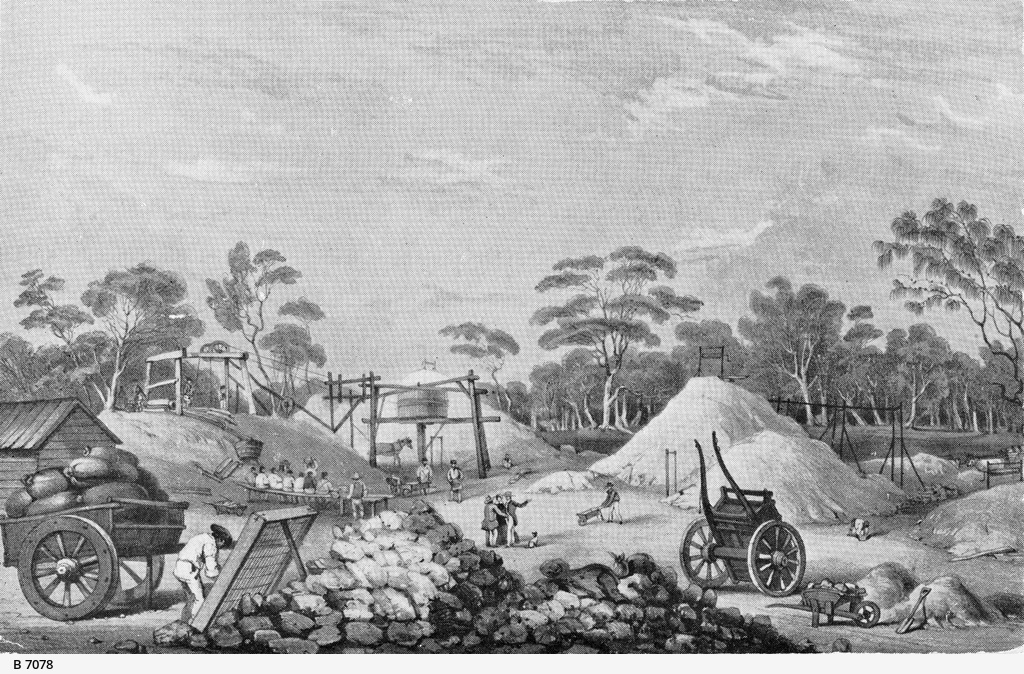
The first mine in South Australia, Wheal Gawler at Glen Osmond, commenced producing silver-lead ore – the mineral deposit was discovered by Thomas & Hutchins, two Cornish miners Mines and mining – History Hub
First Savings Bank established – 6 March
Governor Gawler was recalled
Third Governor of South Australia, George Grey Esq. – 15 May Biography – Sir George Grey – Australian Dictionary of Biography
500,000 acres of land surveyed by mid-year
Edward John Eyre arrives at Albany, Western Australia
Road tolls imposed on carriages and stock at Glen Osmond
Shipment from Cape Town of 57,200 vine cuttings and a “choice variety of fruit trees” – October
Public expenditure cut, resulting in considerable unemployment
Public revenue £25,329 and public expenditure £89,999
Nearly 2,000 destitute persons on government support – December
Government revenue £51,000 and expenditure £180,000
Economic depression leads to the suspension of assisted migration
Immigration was recorded at 776 persons
Adelaide rainfall was 17.96” (456mm) over 93 days
4,721 acres cultivated for wheat, 1,000 acres for barley and 1,000 for oats
1842
Civil registration of births, deaths and marriages commenced – 1 July
Legislative Council constituted
South Australian Board of Colonization Commissioners abolished
Copper discovered at Kapunda by Francis Dutton
Division of part of the colony into counties – Adelaide, Eyre, Flinders, Gawler, Hindmarsh, Light, Stanley, Sturt
Due to the depressed state of the economy, 642 out of 1,915 houses in Adelaide were vacant and 216 were in a state of disrepair – December
Public revenue was £23,404 and public expenditure £68,434
15,281 acres cultivated for wheat
Estimated livestock was 250,000 sheep, 21,000 cattle, 1,000 horses
Shipping (total inwards and outwards) 150 with total tonnage of 25,354
Adelaide rainfall 20.32” (516mm)
1843
Ridley’s harvester stripper invented
Flour mill built at Hindmarsh
28,690 acres under cultivation with 23,000 acres of wheat
Livestock estimated at 1,576 horses, 29,000 cattle, 331,000 sheep
Australia’s first exports of mineral ore from Glen Osmond
First steam engine in the colony built by Messrs Wyatt
Imports total £109,137, exports £80,858 of which minerals were £127
Public revenue was £24,952 and public expenditure £34,386
Immigration was recorded at 1,213 persons and emigration at 1,477
Shipping (total inwards and outwards) was 104 with total tonnage of 15,533
Adelaide rainfall 17.19” (437mm)
1844
The first Colonial Census was held indicating a population of 17,366, including 96 at Port Lincoln – 26 February
Adelaide’s population approximately 10,000
200 German settlers arrived – 18 September
First Roman Catholic Church erected in the colony at Morphett Vale was dedicated – 8 December
Immigration was recorded at 1.114 persons and emigration at 436
Estimates of at least 1,000 persons arriving in the colony from New South Wales during the year
Public revenue was £26,899 and public expenditure £29,362
Shipping (total inwards and outwards) was 139 with total tonnage of 18,489
26,918 acres under cultivation with 18,980 of wheat
South Australia produced wheat in excess of its own requirements
Imports £118,915 and exports £95,272 of which wool was £42,769 and minerals £6,436
Adelaide rainfall 16.88” (429mm)
1845
Copper discovered at Burra
Gold discovered near Montacute
Assisted migration resumed
Immigration was recorded at 2,336 persons and emigration at 449
Charles Sturt’s exploration of north-eastern South Australia
Governor of South Australia, Lt-Colonel Frederick Holt Robe – 25 October Biography – Frederick Holt Robe – Australian Dictionary of Biography
Population estimated at 21,759 – 31 December
Public revenue was £32,433 and public expenditure £40,775
Shipping (total inwards and outwards) was 225 with total tonnage of 26,558
Imports were £184,819, exports £148,459 of which £72,235 was wool and minerals £19,020
Livestock includes 26,146 cattle and 480,669 sheep
Adelaide rainfall 18.83” (478mm)
1846
Population at census, 26 February, was 22,390, including 132 at Port Lincoln and 70 on Kangaroo Island. Adelaide’s population 13,871.
937 births during year, 360 deaths and 189 marriages.
Immigration recorded was 4,458 persons and emigration 863.
The first pastoral leases granted.
John Horrocks uses Australia’s first camel for exploration. Biography – John Ainsworth Horrocks – Australian Dictionary of Biography
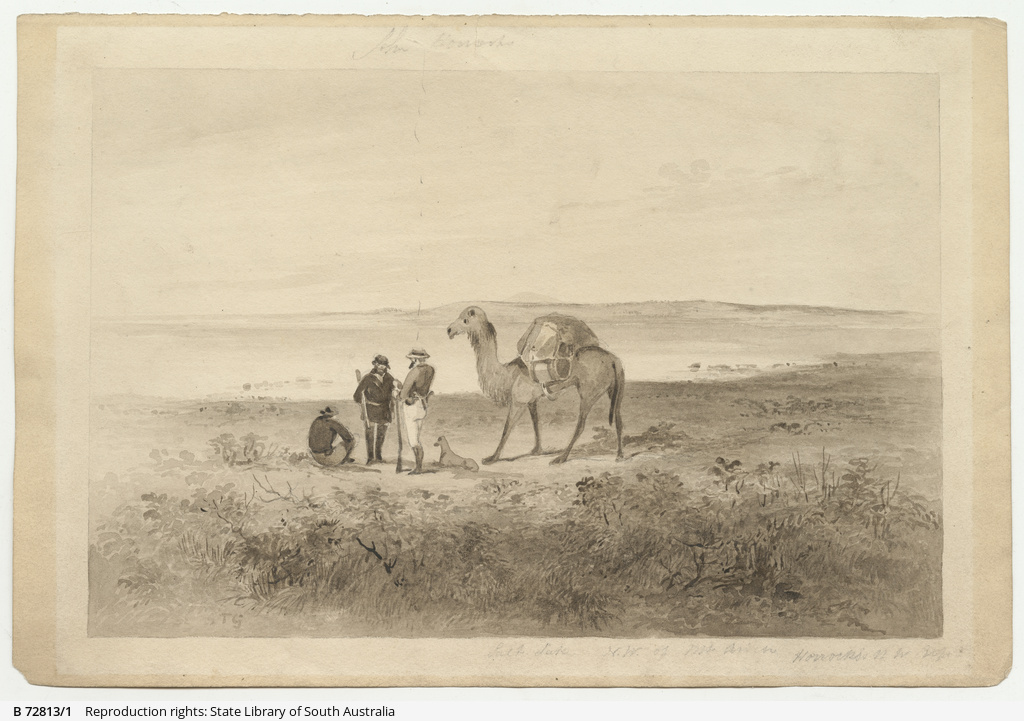
Mining – 6,461 tons of copper ore produced with a value equal to $285,000.
Adelaide rainfall 26.89″ (683mm) over 114 days.
Public revenue £47,286, public expenditure £38,690.
Government revenue £47,286 ($95,000), expenditure £38,690 ($77,000).
Imports £330,099 and exports £312,838 of which wool £106,510 and minerals £143,231.
Area under cultivation for agriculture 33,292 acres of which 26,134 acres for wheat.
1847
First winery in the Barossa Valley commenced operations.
St Peter’s College (Anglican Church of Australia Collegiate School of St Peter), established.
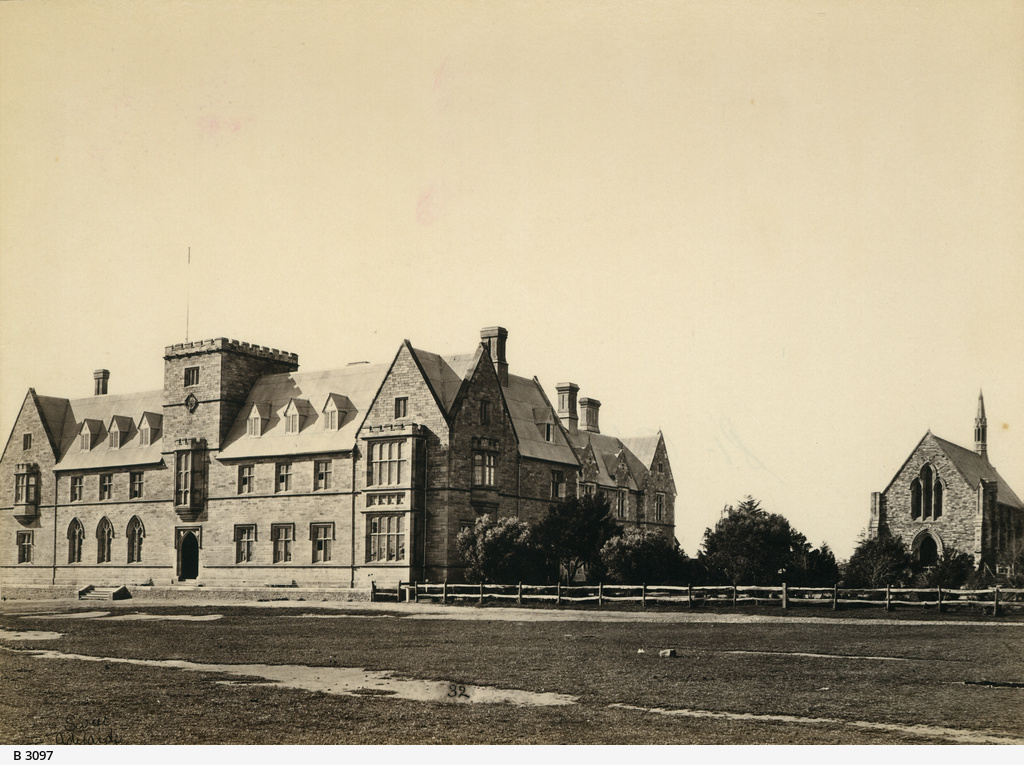
Pulteney Street School, later known as Pulteney Grammar School, was founded by members of the Anglican Church.
Livestock includes 56,375 cattle and 784,811 sheep.
Road tolls at Glen Osmond ceased.
Population estimate 31 December – 31,153.
Immigration recorded was 5,645 persons and emigration 885.
Adelaide rainfall 27.61″ (701mm).
Hailstorm in Adelaide with hailstones ranging in size from marbles to pigeon’s eggs – 19 July.
First building society in colony established – The Adelaide and Suburban Building Society – 10 February.
Public revenue £66,342, public expenditure £58,879.
Imports £410,825 and exports £350,348 of which wool £56,130 and minerals £174,017.
1848
Savings Bank of South Australia established.
First ferry over the River Murray – at Wellington.
Governor of South Australia: Sir Henry E F Young – 02 August. Biography – Sir Henry Edward Fox Young – Australian Dictionary of Biography
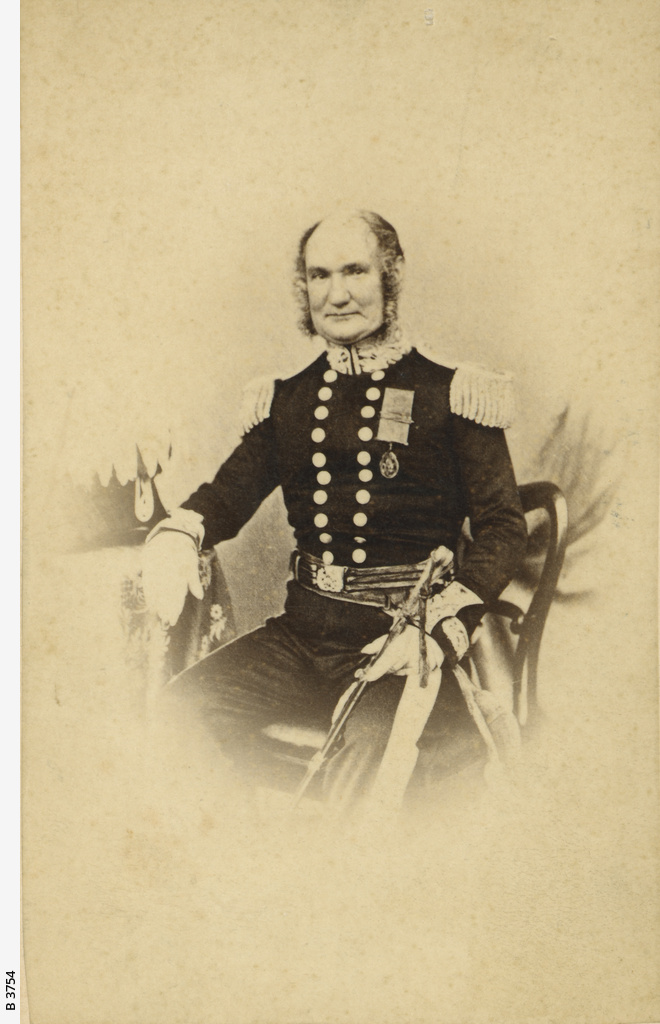
Population estimate 31 December – 38,666.
Immigration was 7,664 persons and emigration 1,042.
Public revenue £82,911, public expenditure £80,129.
Shipping (total inwards and outwards) 412 with total tonnage 90,956.
Imports £384,326 and exports £504,068 of which wool £98,582 and minerals £320,624.
Adelaide rainfall 19.74″ (501mm).
Area under cultivation 48,911 acres including 29,737 acres for wheat.
1849
Central Board of Main Roads established.
Population estimate 31 December – 52,904.
Immigration recorded was 16,166 persons and emigration 2,694.
First shipload of Irish orphans arrived – June.
Village of Woodville laid out.
Shipping (total inwards and outwards) 549 with total tonnage 155,920.
Public revenue £108,301, public expenditure £82,637.
Imports £599,548, exports £402,853 including wool £108,539 and minerals £219,775.
Adelaide rainfall 25.44″ (646mm
Have a look at this timeline from the State Library of South Australia for another perspective: A colonial history of South Australia | Sutori
 Pioneers SA Learning Hub
Leave a comment