What work did people do when they arrived in the colony?
The Royal South Australian Almanack for 1839 includes a general directory for Adelaide and Port Adelaide.
The occupations found in the 1839 directory are listed in the table below.
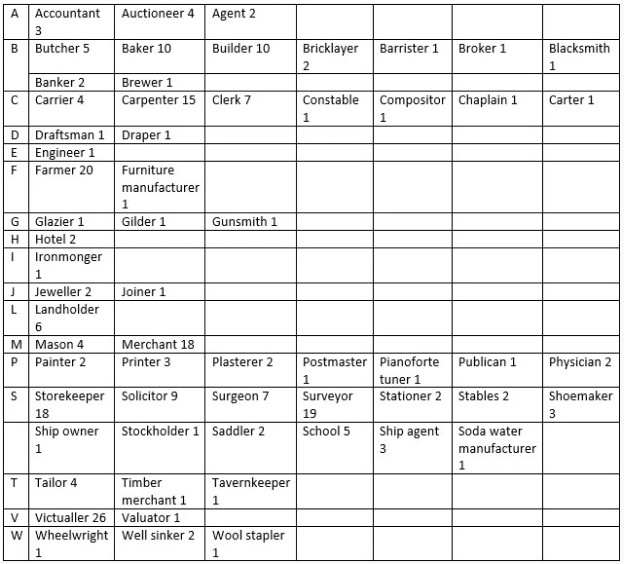
Government officials and ‘esquires’ are also included.
What occupations listed are still current today?
What occupations no longer exist?
People in Great Britain and Ireland could apply for free passage to South Australia. Free passage was offered to “agricultural labourers, shepherds, bakers, blacksmiths, braziers and tinmen, smiths, shipwrights, boat builders, butchers, wheelwrights, sawyers, cabinetmakers, coopers, curriers, farriers, millwrights, harness-makers, lime-burners, and all persons engaged in the erection of buildings.” The Royal South Australian Almanack for 1839.
The Royal South Australian Almanack can be viewed at this site: https://nla.gov.au/nla.obj-2872129375
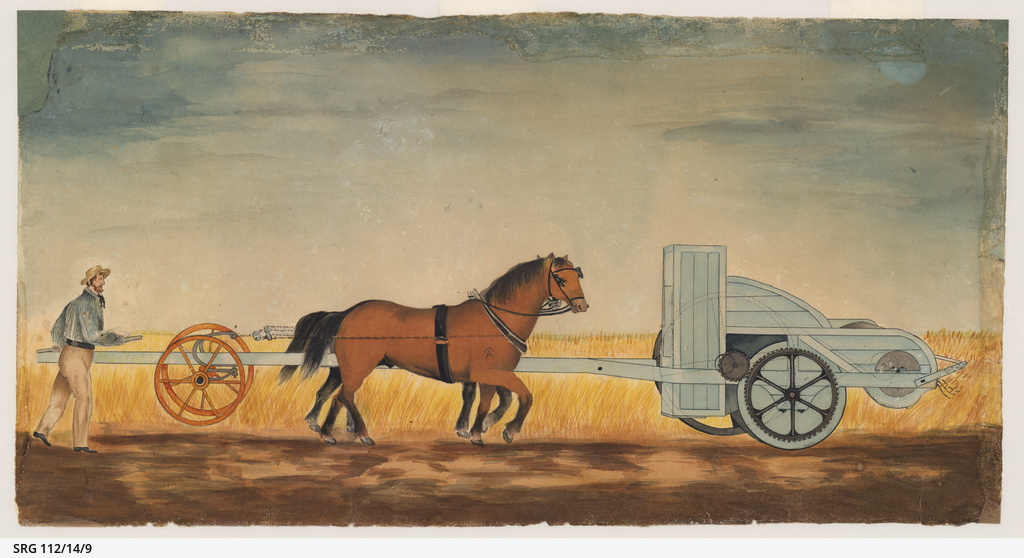
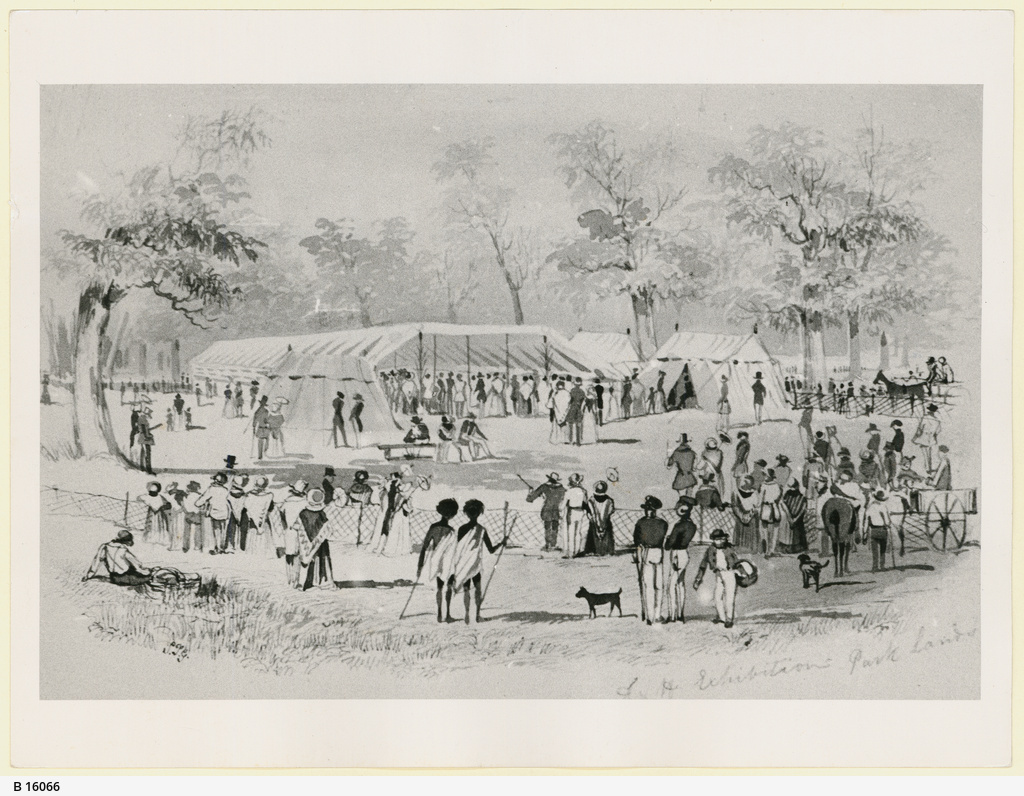
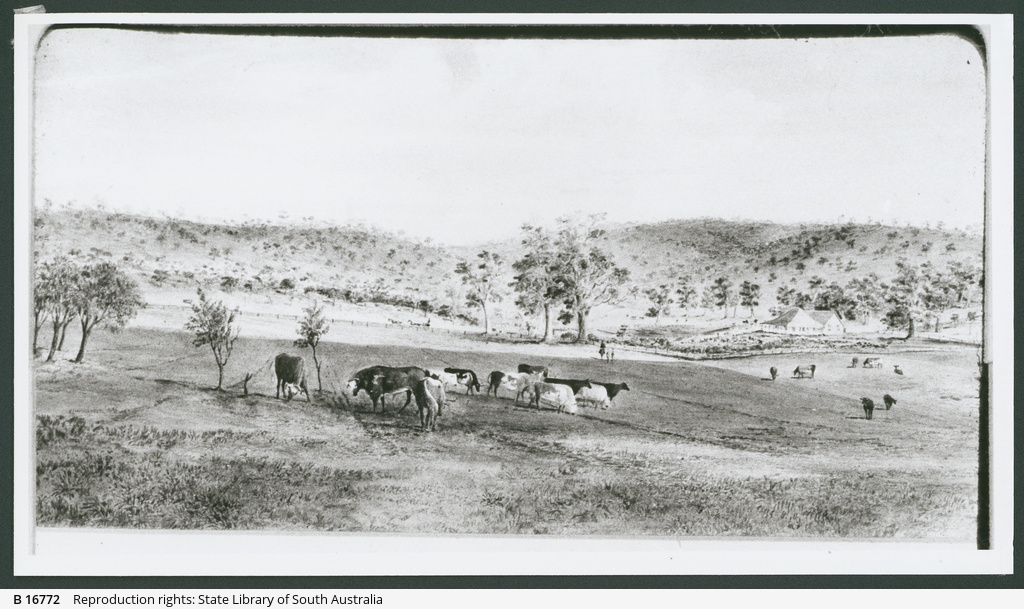
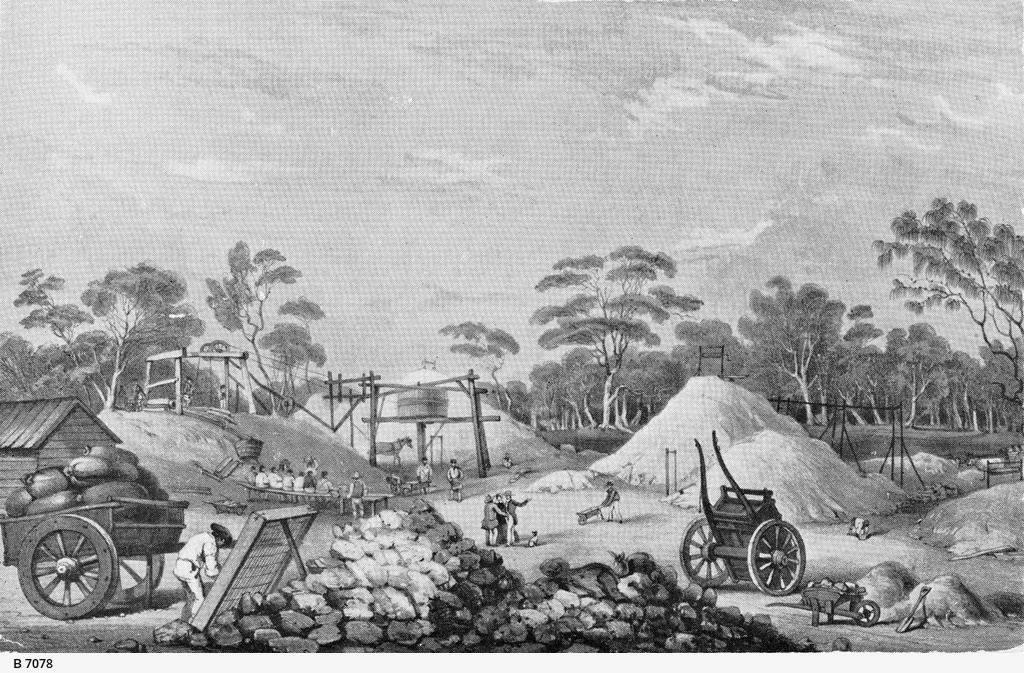
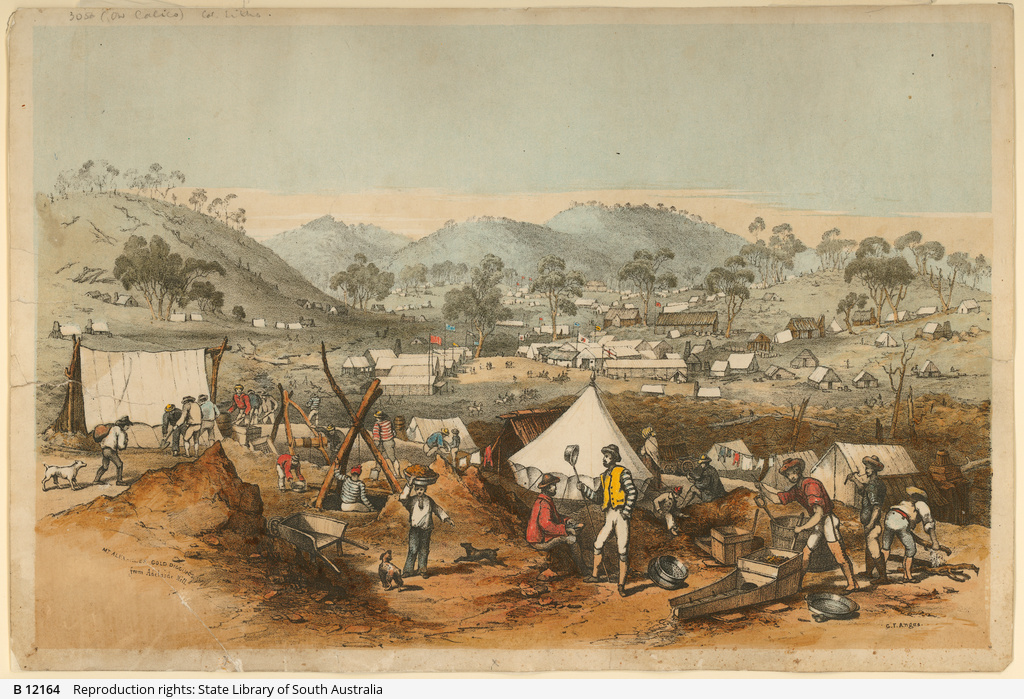
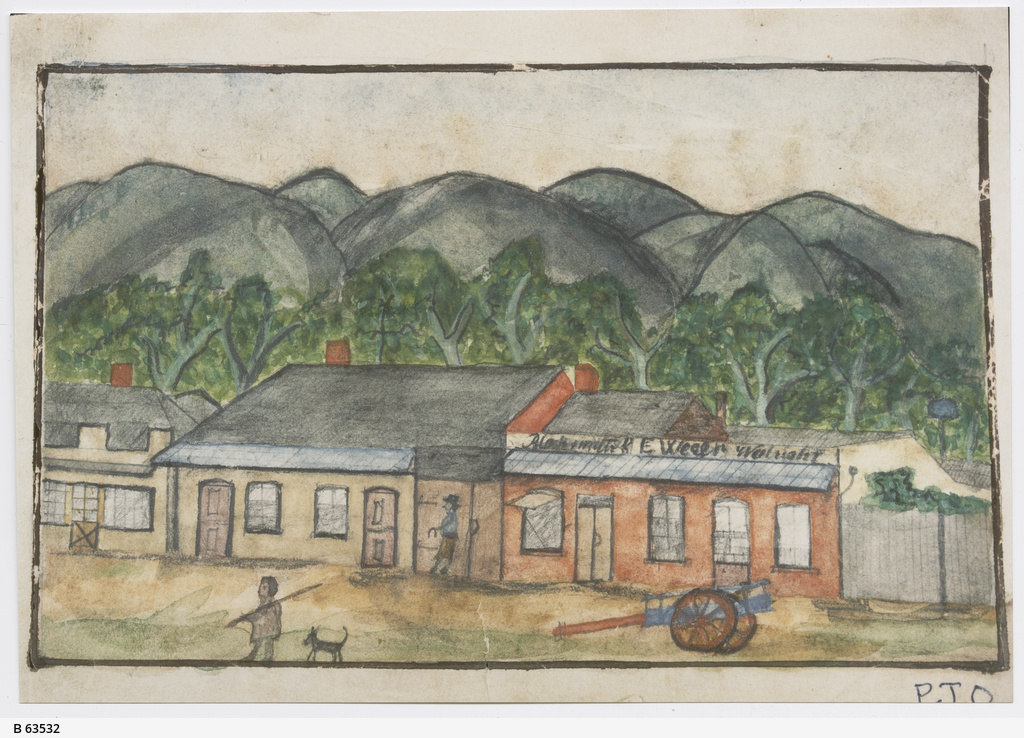
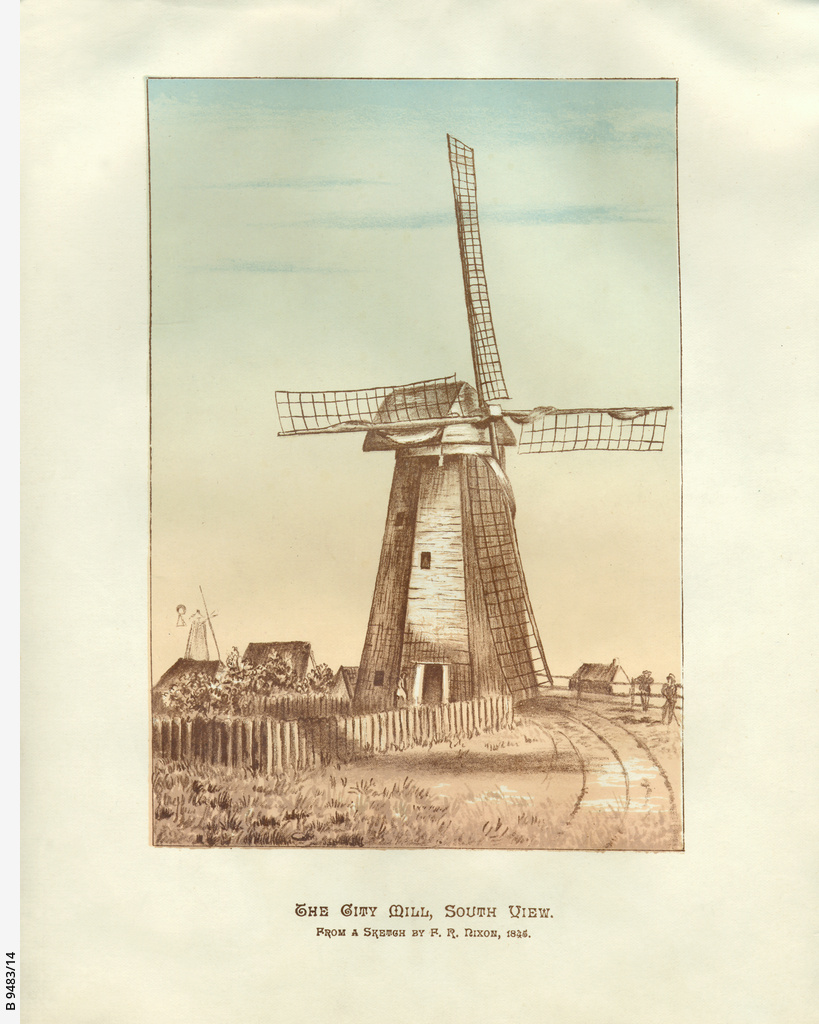
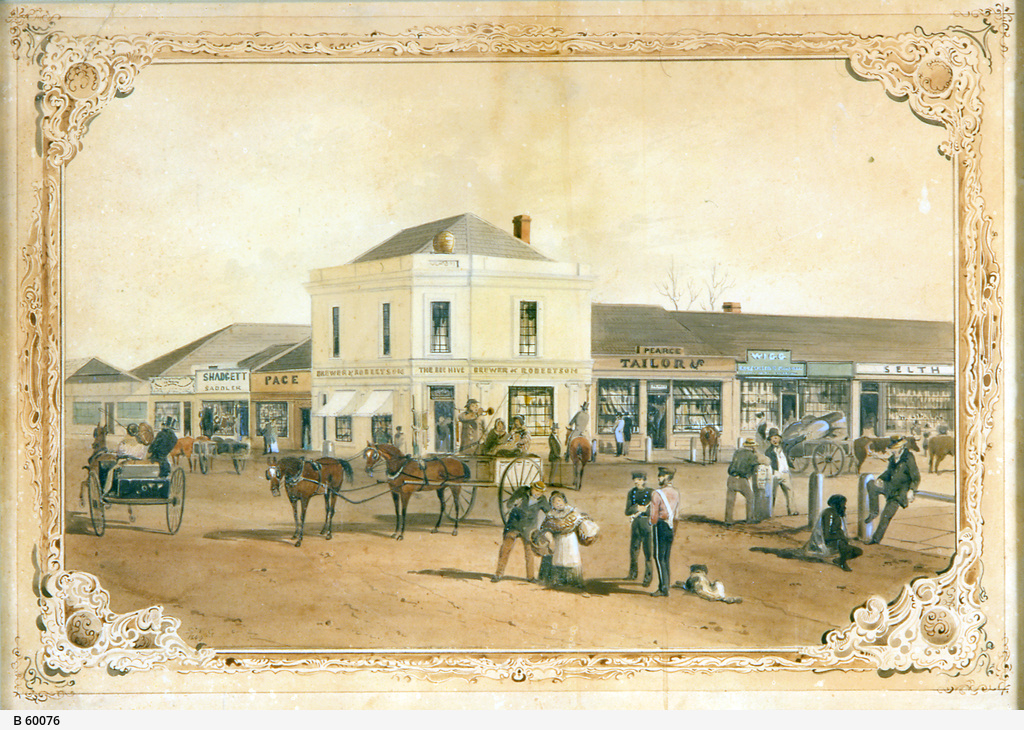
Some pictures of people working in the colony
Agricultural
Mining
Manufacturing
Shopping
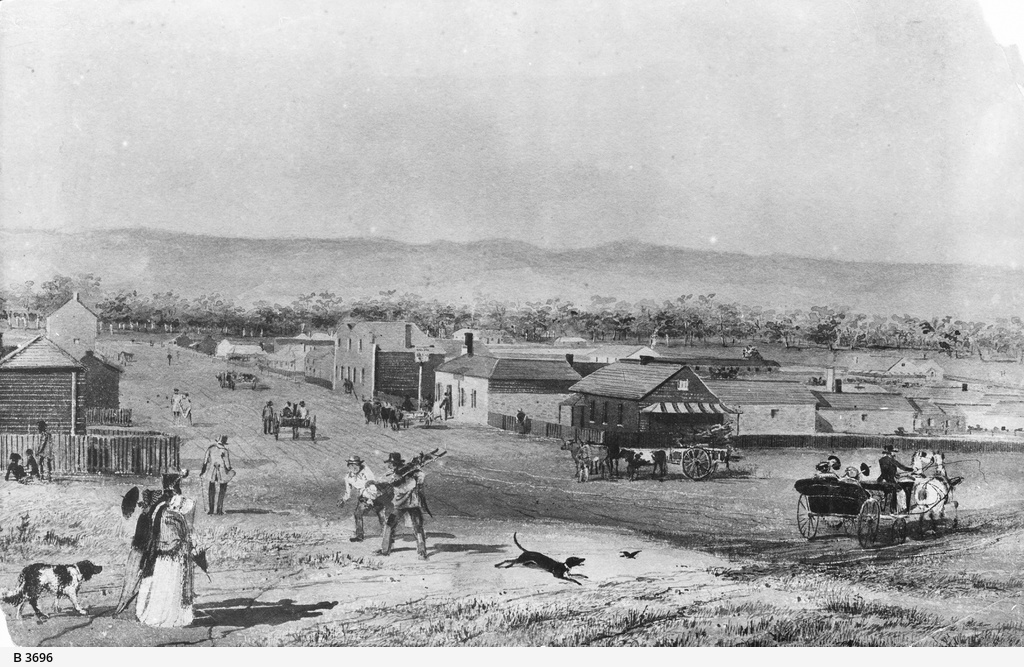
What did our pioneer ancestors think about their new home?
From William Ewens’ letters
Williams Ewens, with his wife Sarah and three children, arrived in South Australia on the ship Prince Regent on the 25th September 1839. He wrote letters to his family and friends in England.
These are some extracts from his letters.
1839, soon after he arrived
“There is great gains to be made in sheep and all sorts of cattle. Stock thrive very fast they lamb all the year round, there is no regular lambing time. Here the herbage is famous for cattle. It is the fact what I am going to tell you. A bullock taken from the dray carts, worn out with scarcely a whole skin on his bones, turn him out this time of the year, or any when after the hot months are over. He will be fat for the Butcher in a month or 5 weeks the farthest. Here is beautiful meat killed. Here plenty of Beef. Veal. Lamb. Mutton. pork and fowl.”
April 1840 (William was a coach maker)
“I can see a chance for my getting on because my trade happens to be a middling trade out here, and there is no body to do it in my trade and I have a piece of Land of my own and a little smith shop and I about building a whellers shop and I have got a paint shop already built 6o feet long by 25 feet wide. I have a smith at work who does all my work by the piece and pays me 12 shillings a week for rent. ….. I got 100 pounds for my double bodyd pair horse phaeton 65 pounds for ray little phaeton, both second hand carriages mind all ready cash to. Mr Spiller got 50 pounds for his spring cart and harness ready money.”
October 1840
“We have Beutiful Vegetables of all sorts and in abundance and we shall have plenty of fine mellons in another week or so all growing outdoors they grow like our pumkins in England and just about the same size, we have their seed from all parts of the world where they are ever grown so that we can boast of having some rare sorts we shall in another year two have plenty of fruits of all description, there is scarsely a vessel from the Indies or Cape of Good Hope, South America or any fruit growing Country but brings some seeds and fruit trees for sale and they get good price for them here, here is also a subscription of a very large amount for to go to the Cape or South America for vine cuttings for vineyards, and the only obstical in our way for being unable to grow any sort of grain is the finding out of the seasons, which we have thank God very nearly or quite found out the corn and all sorts of grain, turnips and vegetables are growing luxuriantly. In my idea and by the appearance of the corn now harvest will begin about a months time and it promises a plentiful harvest the appearance is so good that all eyes are on it and every body is for going out into the Country on their Sections the report is that next year there will be 3 times the corn grown more than there is this year. … I saw but a few days ago in a private acre of land that is part of a garden I mean wheat was sown 3 years ago and this is the 3rd crop of corn and the second crop of self sown and it is looking most beutiful. Country land is getting up and especially near the town now is the time for some of our farmers to come out here that have a little capitall and wants to put a little more to it for his family bye and bye. the Country here is equal to any park that I ever saw in England here is beutiful back runs for his sheep and plenty of feed for his oxen and cows, and plenty of wood to fence in with, and the Houses that we want here is nothing like England one story high and here is no tax for gig or spring cart which thing every body should bring them and good wrought iron farming utensils no trumpery cast iron ploughs and &c, they are no use out here neither as yet is there any means of repairing cast iron articles, this Country abounds with mettals of all sorts especially iron every hill is covered with Iron ore we have plenty of slates Mr Spiller is going to morrow to see and begin a Slate quarry the slates here lay on the surface of the earth there is no trouble to begin a quarry not much labour I mean to begin and get at the slate, and a beutiful sort of slate equal to the Welsh slate, also beutiful marble stone in abundance and plenty of stone for mill stones, grannit stones and stone for grind stones and all sorts of stones fit for building.”
March 1846
“You or any person who look at our Adelaide papers will see what a thriving condition we are in. First thing I refer you to is look at the list of goods imported into the Colony and of goods exported from here and you will then see the amount of Exported Goods are many thousand pounds per quarter more than the amount of goods imported here. Also look at the Government Gazette list. You will there see that the Revenue exceeds by 6 thousand 8 hundred and 40 pounds the expenditure of the Government. Also you will see our Mining List and the new mines daily opening by private individuals. Even finding and digging it out of their own Lands where before no such thing ever was dreamt off. Also of the increase of cattle end stock of all descriptions. Our beutiful crops of corn. Our gardens and fruits of all descriptions. Building materials in abundance. Bricks. Stone. Slate. Timber. Blasting off copper ore like stone, quarrying tons at a time. In some places really incredible but I tell you nothing but the truth.”
From William Welbourn’s letters
Company’s Tier, Adelaide, (Magill Post)
no date, but mid to late March 1858
“Tho has proposed for me to live about 3 miles from Adelaide. To retail wood which he will bring down wholesale (Wood is burnd in this country) do I am to live at Norwood. I have bought a small dray and HarneSs and I have Tom’s Horse. I expect to commence on April 6th and I hope to be able to send a good account home of what I am doing, a working Man can get here. But no Lazy ones need come, you would be surprised to see me sleighing wood down the Slopes of the Hills here, but so it is. And I tried my hand at tree falling. Tom and me threw one the other day first rate, I am as brown as John nearly, and had my nose skind twice with the sun.
Note Ss is an old way of writing SS. Spelling is how it was written
Hotels and Taverns
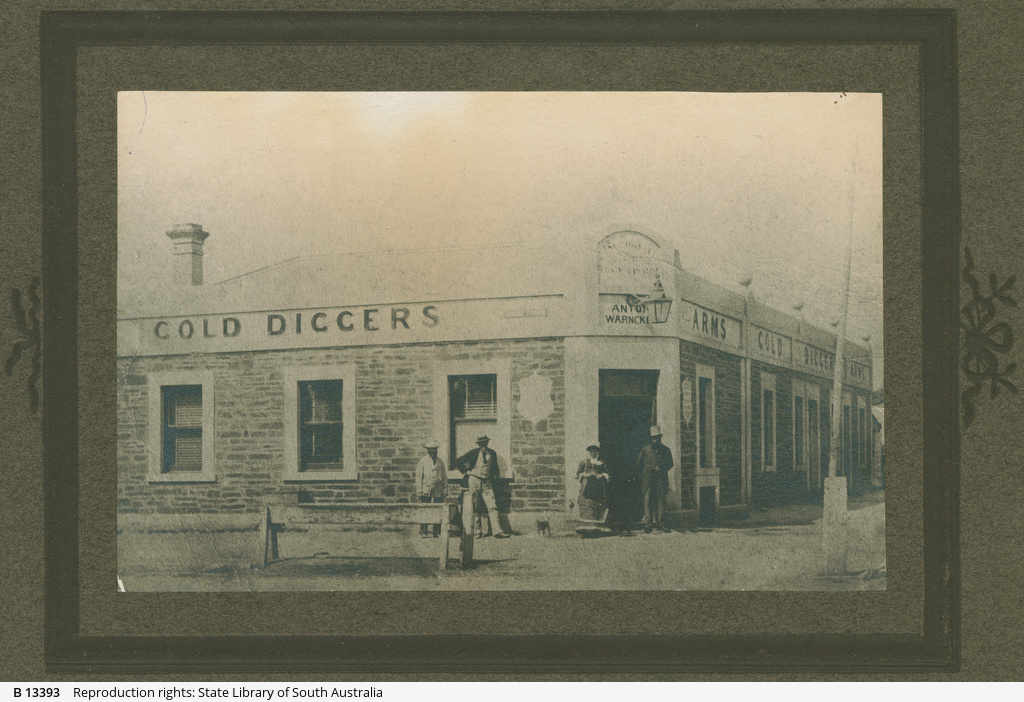
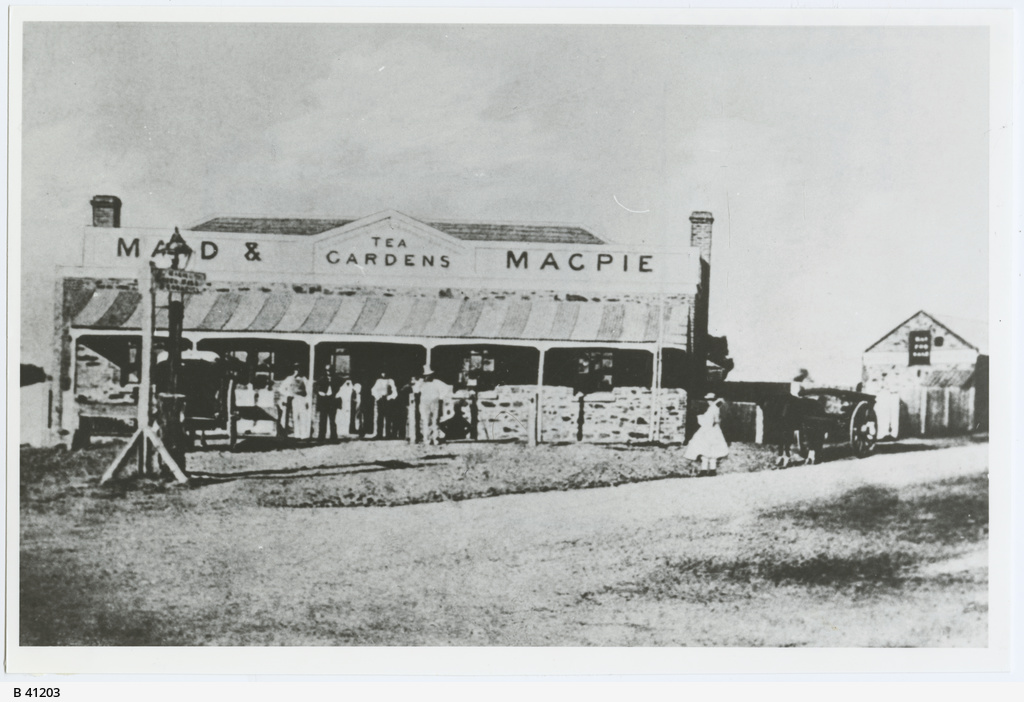
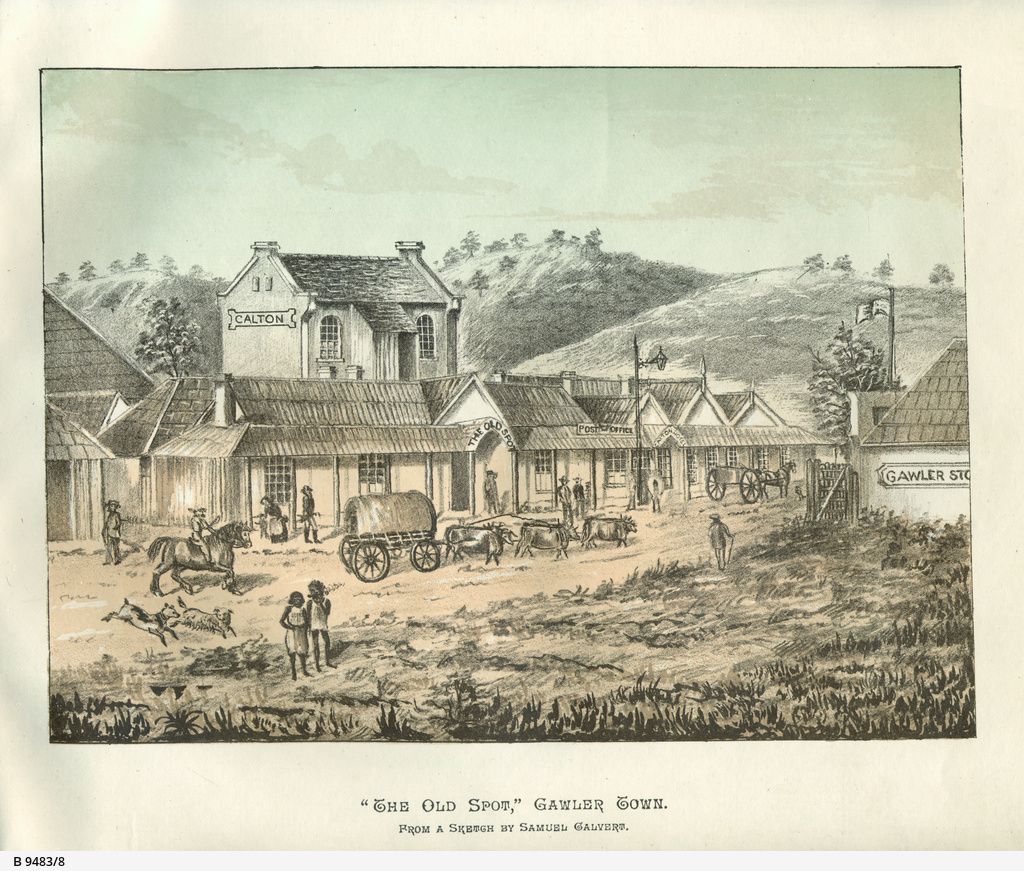
The law for the granting of licences and the the promotion of good order in Public Houses was the fourth law enacted in the colony in 1837. They played a vital role within the colony. The provided places for religious worship, theatrical entertainment, meetings, holding inquests, large public and private balls, classrooms, banquets, polling places. Hotels and Taverns were substantial structures and were important part of the new colony. They were places of both work and leisure.
Below is a selection of early hotels that were in Adelaide and the surrounds.
 Pioneers SA Learning Hub
Leave a comment